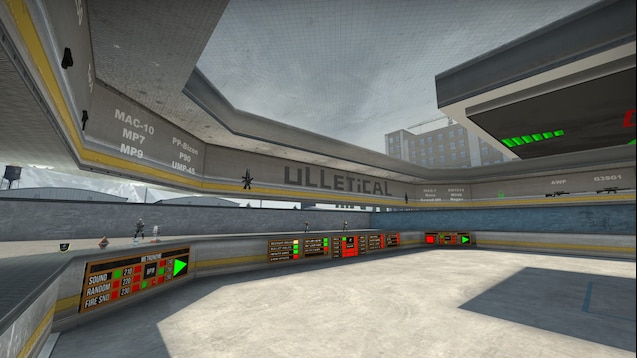
Top 5 Essential Tips for Designing a CS:GO Map
Designing a competitive CS:GO map requires careful consideration of both gameplay mechanics and aesthetic appeal. Here are five essential tips to guide you in creating a map that stands out:
- Understand the Gameplay: Prioritize the core mechanics of CS:GO, such as timing, positioning, and sightlines. Mapping should facilitate smooth movement and strategic engagements.
- Define Clear Paths: Ensure players have multiple routes to navigate the map. This enhances gameplay dynamics and prevents one-sided engagements, keeping matches exciting and unpredictable.
In addition to gameplay considerations, visual elements play a crucial role in map design. Here are three more tips to elevate your CS:GO map creation:
- Use Consistent Themes: Keep the architectural style and textures consistent throughout your map. This cohesion helps players quickly identify locations and enhances immersion.
- Incorporate Balanced Cover: Design areas with appropriate cover spots. Balance openness and shelter to facilitate dynamic gameplay while avoiding frustration for players.
- Test Frequently: Regular testing is essential. Gather feedback from players to identify flaws and areas for improvement. Adapt your design based on real gameplay experiences.
Counter-Strike is a popular tactical first-person shooter that has captivated millions of players worldwide. The game focuses on teamwork and strategy, requiring players to work together to complete objectives and eliminate the opposing team. For those interested in enhancing their gameplay experience, clear decals cs2 can greatly improve visibility and performance.
How to Balance Gameplay and Aesthetics in Your CS:GO Map
Creating a successful CS:GO map requires a delicate balance between gameplay mechanics and visual aesthetics. To achieve this, it's crucial to start with a solid layout that promotes engaging gameplay, while also being mindful of visual appeal. Key aspects to consider include:
- Flow: Ensure that the map facilitates smooth movement and transitions between areas, which will enhance the player experience.
- Cover: Design elements that provide adequate cover can create interesting firefights without compromising the visual aspects of the map.
- Asymmetry: Incorporate asymmetrical designs that make the gameplay dynamic and interesting while ensuring that the aesthetics remain cohesive.
Once the foundational gameplay structure is established, it’s time to focus on the aesthetics. The visual elements of your map should enhance the player’s immersion without distracting from gameplay. Here are a few tips:
- Consistency: Choose a theme and stick to it throughout the map to create a cohesive look.
- Lighting: Utilize lighting strategically to highlight key areas while keeping gameplay areas adequately illuminated.
- Detailing: Subtly incorporate details like graffiti, vegetation, and props that add character without overwhelming players.
Common Mistakes to Avoid When Creating Your First CS:GO Map
Creating your first CS:GO map can be an exciting yet challenging experience. One of the common mistakes to avoid is neglecting to plan your map layout in advance. Before diving into the level design, take the time to sketch out your ideas and consider the gameplay flow. A well-structured map should encourage strategic movement and provide balanced engagement for both teams. Ignoring this step can lead to a confusing layout that frustrates players and detracts from the overall gaming experience.
Another frequent pitfall is skimping on optimization. A map filled with intricate details may look appealing, but it can also hinder performance, especially for players with lower-end hardware. Make sure to utilize optimization techniques such as using model and texture hints, implementing proper lighting, and avoiding excessive props. These practices will enhance performance and ensure an enjoyable experience for all players, keeping the focus on the gameplay rather than technical issues.