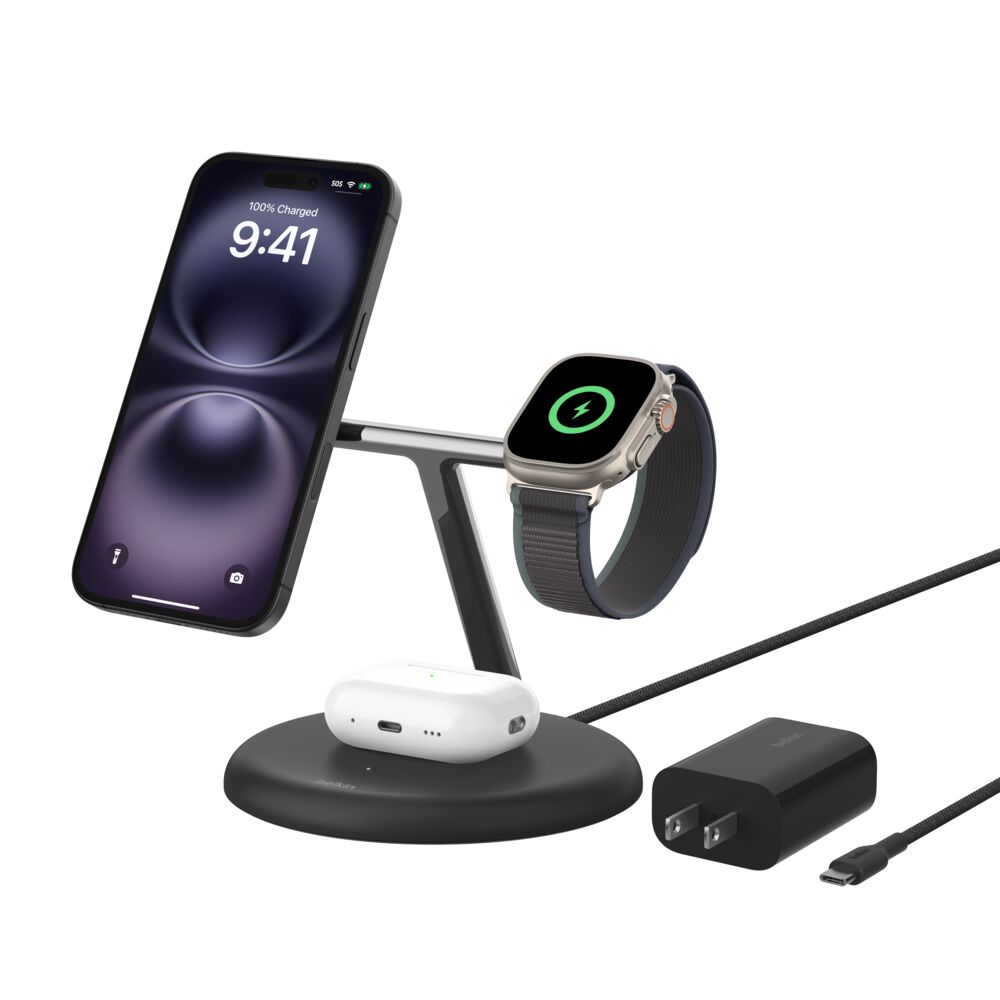
What is Wireless Power and How Does It Work?
Wireless power refers to the transmission of electrical energy from a power source to an electrical load without the need for physical connectors. It enables devices to be charged or powered without being plugged into an outlet, offering unparalleled convenience in today's tech-driven world. This innovative technology typically leverages electromagnetic fields or resonant inductive coupling, where energy is transferred through coils in the charging station and the receiver device. As a result, users can enjoy cable-free experiences across various applications, from charging smartphones to powering electric vehicles.
The principle behind wireless power is relatively simple yet fascinating. Initially, the charger converts electrical energy into electromagnetic waves, which are then transmitted through space. When a compatible device comes into proximity, it captures these waves and converts them back into electrical energy to charge its battery. This process can be broadly categorized into several methods, including
- Inductive Charging
- Resonant Inductive Coupling
- Radio Frequency (RF) Charging
Counter-Strike is a highly competitive first-person shooter game that has become a staple in the esports community. Players can choose from various teams, typically Terrorists or Counter-Terrorists, and engage in strategic gameplay to achieve objectives. For players looking to enhance their gaming experience, having the right gear is essential. Check out these Top 10 iphone slim cases to protect your devices while gaming on the go.
The Benefits and Challenges of Wireless Charging Technologies
Wireless charging technologies are becoming increasingly popular due to their convenience and the ease they bring to users in a fast-paced world. One of the primary benefits is the elimination of cluttered cords and universal compatibility with various devices, allowing users to charge multiple gadgets simply by placing them on a charging pad. This method also minimizes wear and tear on charging ports and connectors, prolonging the lifespan of devices. Additionally, wireless charging contributes to a sleek aesthetic in homes and offices alike, creating a more organized and modern look.
However, despite the advantages, there are notable challenges associated with wireless charging technologies. One of the biggest concerns is the slower charging speed compared to traditional wired options, which can be frustrating for users in need of quick power boosts. Furthermore, wireless charging can generate heat, potentially affecting device performance and battery health over time. Lastly, there are compatibility issues, as not all devices support the same wireless standards, leading to consumer confusion and limiting the technology's widespread adoption.
Are We Ready for a Truly Wireless Future in Power Delivery?
As technology continues to evolve, the concept of a truly wireless future in power delivery is becoming more than just a dream. With advancements in wireless charging technologies, such as resonant inductive coupling and microwave power transmission, we are on the brink of a revolution that could fundamentally change how we consume energy. The rise of electric vehicles and the increasing number of smart devices have spurred investment in this field, leading to significant improvements in efficiency and range. We are now witnessing the integration of wireless power transfer systems in everyday applications, from small electronic gadgets to larger applications like public transportation systems.
However, the question remains: are we truly ready for this shift? While the technology has progressed, there are still hurdles to overcome, including safety concerns, regulatory considerations, and the need for infrastructure adaptation. A wireless power delivery system that can efficiently and safely deliver energy to a wide range of devices without degradation in performance is essential for widespread adoption. Furthermore, public acceptance and consumer education play crucial roles in embracing this new paradigm. Only by addressing these challenges can we confidently move toward a future where wire-free power delivery is the norm rather than the exception.