Top Tips for Preventing Yellowing in Your Favorite Fabrics
Yellowing in fabrics can be a frustrating issue, especially when it affects your favorite clothing items or home textiles. To help prevent this discoloration, it's crucial to understand the factors that contribute to it. One of the most effective tips for preventing yellowing is to store your fabrics in a cool, dry environment, away from direct sunlight. Sunlight can cause fabrics to yellow over time, so consider using breathable garment bags or boxes that also keep moisture at bay. Additionally, ensure that your fabrics are completely clean and dry before storing them, as any residue from sweat, oils, or detergents can harbor bacteria that lead to yellowing.
Another important strategy is to choose the right laundry practices. Use gentle detergents that are free from harsh chemicals and bleach, as these can contribute to fabric degradation and yellowing. For whites, consider using oxygen-based bleach as a safer alternative instead of chlorine bleach. When washing colored fabrics, always separate them from whites to prevent color transfer. Moreover, wash your fabrics in cold water, which not only helps retain color but also minimizes the risk of yellowing. Finally, avoid over-drying your fabrics in the dryer; instead, opt for air drying in the shade to further reduce the risk of discoloration.
Counter-Strike is a highly competitive first-person shooter game that has become a staple in the esports arena. Players join either the Terrorist or Counter-Terrorist team and engage in tactical combat across various maps. To enhance your gaming experience, consider looking at the Top 10 iPhone clear cases that can help protect your device while you play. With a blend of strategy, teamwork, and skill, Counter-Strike continues to attract players from around the globe.
Understanding the Science Behind Yellowing: Causes and Solutions
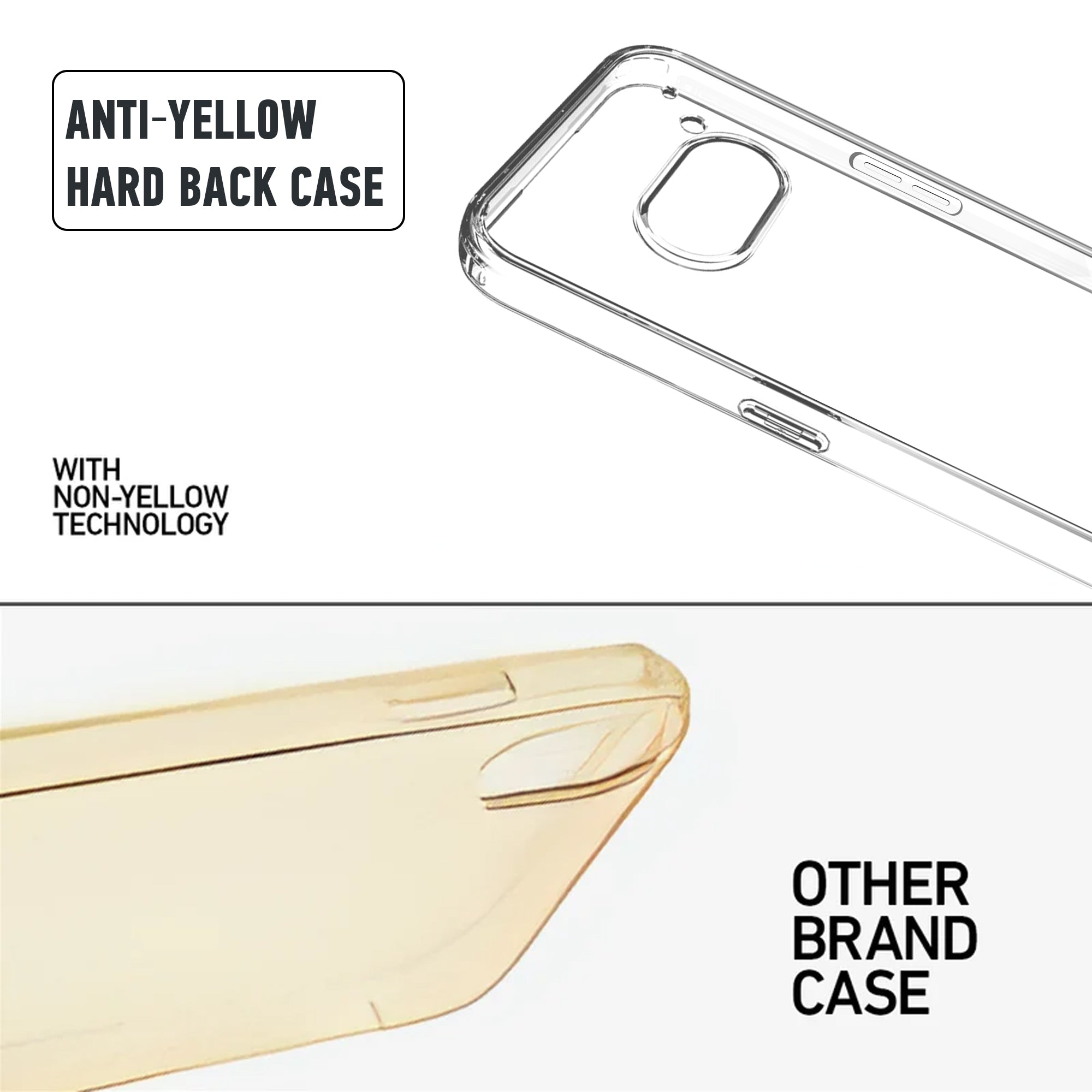
Understanding the science behind yellowing is crucial for maintaining the longevity and aesthetic appeal of various materials and products, such as fabrics, plastics, and papers. Yellowing occurs due to a variety of factors, including exposure to sunlight, chemical reactions, and age. For instance, white fabrics may turn yellow due to the degradation of fibers or the presence of iron or chlorine in water. Additionally, plastics can become discolored as a result of UV exposure, which breaks down the chemical bonds within the material, leading to a loss of clarity and color. Understanding these causes helps in identifying the right solutions to prevent or reverse yellowing, ensuring that your belongings retain their original color and quality.
To combat yellowing effectively, consider implementing preventative measures and solutions. For fabrics, using UV-blocking window treatments can significantly reduce sunlight exposure, while washing with a gentle, color-safe bleach can help maintain brightness. For plastics, regular cleaning with appropriate solutions can mitigate the effects of UV damage, and storing items away from direct sunlight is advisable. If you're dealing with yellowed paper, gentle cleaning with erasers and deacidification sprays can sometimes restore clarity. By understanding the science behind yellowing, you can adopt effective strategies that not only prevent discoloration but also preserve the integrity and beauty of your items.
Is Your Home Making Your Whites Dull? Discover the Hidden Factors
Have you ever noticed that despite your best efforts, your white clothes seem to lose their brightness? Is your home making your whites dull? Several hidden factors within your living space could be to blame. For instance, the type of water you use, whether it's hard or soft, can significantly affect the vibrancy of your whites. Hard water contains minerals that can cause a beige or yellow tint, resulting in a less appealing appearance. Additionally, the detergent you choose plays a crucial role; not all detergents are effective at combating dinginess in whites.
Environmental factors also contribute to the dullness of your whites. Discover the hidden factors by evaluating your home's air quality. Dust, smoke, and other pollutants can settle on your laundry, leading to a lackluster look over time. Moreover, inadequate sunlight exposure can prevent natural whitening, making it important to dry your whites in direct sunlight whenever possible. By addressing these hidden factors, you can reclaim the brightness of your white garments and enjoy a more vibrant wardrobe.