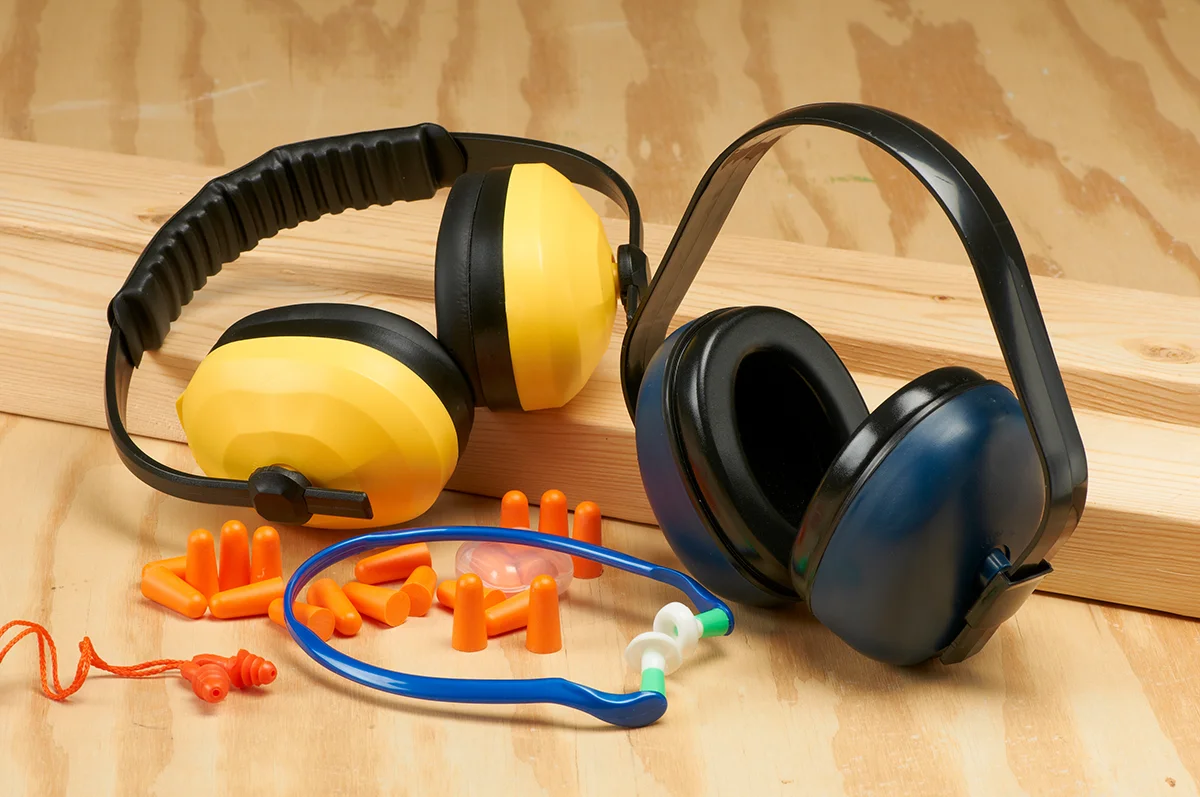
Understanding Our Psychological Defenses: Why We Protect Ourselves
Understanding our psychological defenses is crucial for personal growth and emotional well-being. These defenses, often subconscious, act as shields that protect us from anxiety, stress, and uncomfortable emotions. For instance, when faced with criticism or conflict, an individual might resort to defensiveness, which can manifest as anger or denial. This reaction is not merely a character flaw but rather a defense mechanism that has evolved to help us cope with perceived threats. By recognizing these patterns, we can begin to understand the underlying fears that drive our behaviors and work towards healthier coping strategies.
Moreover, it is essential to explore the reasons why we feel the need to protect ourselves. The origins of these defenses often stem from childhood experiences and learned behaviors. For example, a person raised in a highly critical environment may develop a tendency to avoid vulnerability or emotional expression out of fear of rejection. Understanding this can lead to greater self-awareness and empathy not only towards ourselves but also towards others who exhibit similar defensive behaviors. Learning to lower our defenses can lead to more genuine relationships and a deeper understanding of our own emotions.
When it comes to maintaining your keyboard, a good dust cover can make all the difference. You might want to check out the Top 10 Keyboard Dust Covers to find options that suit your needs. These covers not only protect against dust but also against spills and wear, ensuring your keyboard stays in excellent condition.
The Role of Fear in Our Defense Mechanisms: A Deep Dive
Fear plays a crucial role in our defense mechanisms, acting as a primal instinct that has evolved over centuries to protect us from perceived threats. When faced with danger, our bodies trigger a fight-or-flight response, releasing hormones like adrenaline and cortisol that prepare us for immediate action. This instinctual response not only helps in averting physical harm but also influences our psychological defenses. For instance, when someone experiences fear, they might resort to defense mechanisms like denial or rationalization to cope with the emotional turmoil, allowing them to navigate stress without succumbing to overwhelming anxiety.
Furthermore, fear can shape our behavior in more subtle ways, influencing our defense mechanisms in interpersonal relationships and decision-making. Individuals may develop anxiety-driven behaviors that serve to shield them from rejection or failure, such as avoidance or perfectionism. Understanding the complexities of fear and its interplay with our defense mechanisms can lead to deeper self-awareness and personal growth. By recognizing the role fear plays, individuals can work towards healthier coping strategies that empower rather than hinder their emotional well-being.
How Do Our Past Experiences Shape Our Protective Behavior?
Our past experiences play a crucial role in shaping our protective behavior. From childhood through adulthood, the situations we encounter and the lessons we learn influence our responses to perceived threats. For example, individuals who have faced traumatic situations may develop heightened vigilance, continuously scanning their environment for potential dangers. This response is rooted in a psychological mechanism known as conditioned behavior, where past events condition our reactions to similar contexts. Thus, our history of experiences directly impacts how we protect ourselves and those we care about.
Moreover, our protective behavior is often a reflection of learned coping strategies. Those who grew up in unstable environments might adopt defensive mechanisms early in life, which manifest as overprotectiveness or avoidance in adult relationships. As psychological research suggests, these learned behaviors can be both beneficial and detrimental. They serve as a shield against harm but may also hinder personal growth and relationships if they lead to excessive caution. Understanding the roots of these behaviors is essential in navigating our emotional responses and forging healthier behavioral patterns.