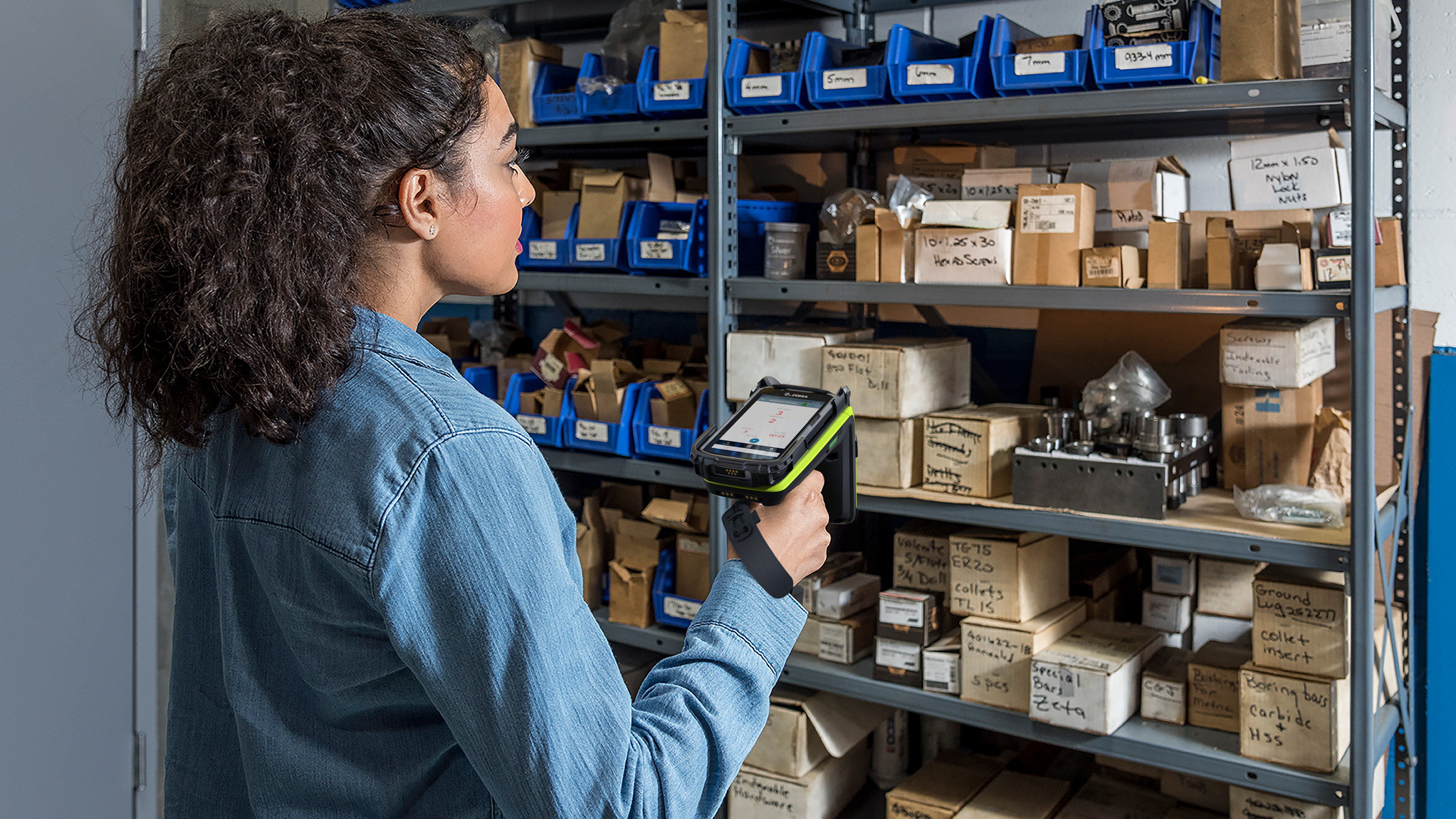
Understanding RFID Technology: How Tags Enhance Convenience and Security
RFID technology, or Radio-Frequency Identification, has revolutionized the way we track and manage inventory in various industries. At its core, RFID consists of three main components: tags, readers, and software. Tags, which can be passive, active, or semi-passive, contain unique identifiers that store and transmit data when activated by a compatible reader. This enhances convenience by significantly speeding up the process of inventory management and asset tracking, minimizing the need for manual scanning and reducing human error.
Moreover, the security features inherent in RFID tags make them an essential tool for safeguarding assets and personal information. Security measures such as encryption and unique identifiers ensure that data transmitted via RFID is protected from unauthorized access. As a result, businesses can maintain high levels of security while providing customers with a seamless, efficient experience, paving the way for future innovations in both convenience and safety within the evolving landscape of technology.
Counter-Strike is a highly acclaimed first-person shooter game that pits teams of terrorists against counter-terrorists in various mission-based scenarios. The game has evolved through multiple iterations, attracting a dedicated player base and becoming a staple in competitive gaming. For those seeking options beyond traditional tracking methods, see our Top 10 Alternatives to Bluetooth Trackers to explore innovative solutions.
The Hidden Impact of RFID in Everyday Products: From Groceries to Gadgets
Radio Frequency Identification (RFID) technology has quietly transformed the way we interact with everyday products, from groceries to gadgets. This innovative technology utilizes electromagnetic fields to automatically identify and track tags attached to objects. In the retail sector, for instance, RFID dramatically improves inventory management and enhances the shopping experience. By enabling real-time tracking of products, retailers can ensure that shelves are stocked and available, reducing the risk of lost sales due to stock-outs. Moreover, RFID also facilitates quicker checkout processes, allowing customers to breeze through the purchase experience without the hassle of scanning each item individually.
The influence of RFID extends beyond retail; it permeates various aspects of daily life. For example, groceries equipped with RFID tags not only streamline checkout but also enhance food safety by providing tracking information on freshness and expiration. Additionally, in the world of electronics, RFID technology is being employed in personal gadgets like smartwatches and fitness trackers, enabling seamless connectivity and data transfer. As this technology continues to evolve, its hidden impact on our daily routines is becoming increasingly apparent, fostering both convenience and efficiency in how we consume and interact with the products around us.
Is RFID the Future of Shopping? Exploring the Benefits and Challenges
As technology continues to evolve, RFID (Radio Frequency Identification) is emerging as a game-changer in the retail landscape. By utilizing RFID tags, retailers can streamline inventory management, enhance customer experiences, and improve overall operational efficiency. With the ability to track products in real-time, businesses can minimize stock discrepancies and ensure that they have the right products available when customers want them. This technology thus provides a strong competitive advantage by eliminating long checkout lines and facilitating a more seamless shopping process.
However, despite its numerous benefits, there are also significant challenges associated with integrating RFID technology. The initial investment and ongoing maintenance costs can be substantial for many retailers, particularly small businesses. Additionally, concerns related to data privacy and security arise, as consumers may be wary of how their information is being tracked and used. Navigating these obstacles will be essential if RFID is to fully realize its potential as the future of shopping.