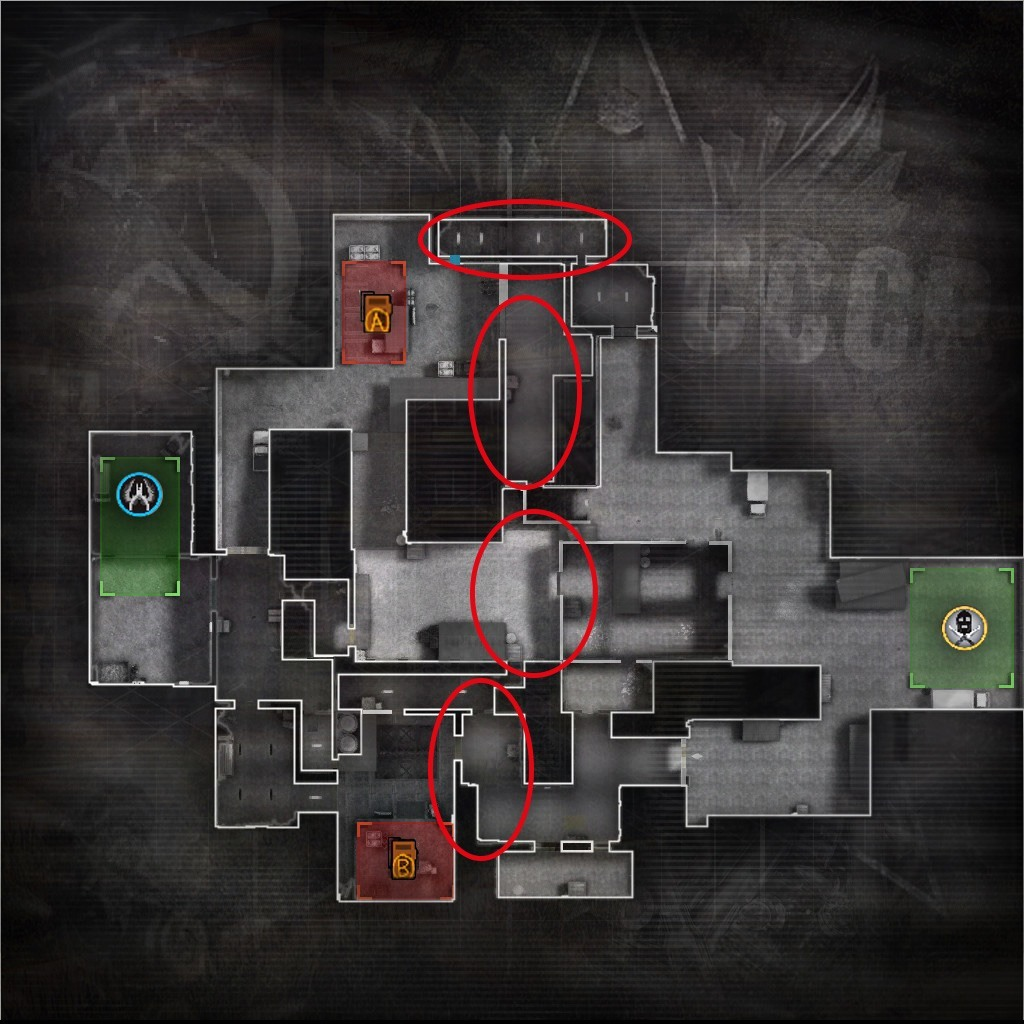
Understanding Map Geography: Key Locations for Better Control in CSGO
Understanding map geography in CSGO is critical for players striving for success in this competitive first-person shooter. Familiarizing yourself with key locations on maps can significantly impact your gameplay, allowing you to anticipate enemy movements and control the flow of matches. Each map features unique choke points, bomb sites, and vantage spots that can be leveraged for tactical advantages. For instance, on de_dust2, knowing how to navigate from Mid to A site effectively is vital. Players should utilize the long A and catwalk areas to gain a strategic edge, while the B tunnels serve as an alternative route to surprise opponents.
Effective control of key locations not only enhances your personal gameplay but also strengthens team dynamics. Communicating with teammates about enemy positions or calling for reinforcement at critical locations can lead to successful engagements. Here are some essential locations to master:
- Ramp on Inferno: A crucial area for gaining control of A site.
- Mid on Mirage: Dominating mid allows for quick rotations and map control.
- Snow on Nuke: Key for strategy when defending or attacking.
By understanding these strategic points and incorporating map geography into your gameplay tactics, you can elevate your performance and push towards victory in CSGO.
Counter-Strike is a popular tactical first-person shooter that pits teams of terrorists against counter-terrorists in various scenarios. Players can choose from multiple weapons and strategies to secure objectives. One of the interesting aspects of the game is the recoil case, which adds a layer of complexity to weapon handling and shooting mechanics.
Essential Strategies for A-Site and B-Site Control: Mastering Your Tactical Positioning
In the realm of tactical positioning, A-Site and B-Site control are critical factors that can determine the outcome of a game. To effectively master your positioning, it's essential to understand the dynamics of both sites. Firstly, always ensure that your team has a strong contention plan in place. This can be achieved by establishing a solid defensive strategy that includes:
- Conducting regular site inspections and simulations.
- Maintaining clear communication among team members regarding site status.
- Adjusting positioning based on enemy movements and tactics.
Moreover, proactive intelligence gathering is crucial to keep your opponents guessing and to secure a tactical advantage. Utilize tools and resources to collect data on enemy players and their strategies. Here are some essential tactics to implement:
- Implementing a rotation strategy to allow quick shifts from A-Site to B-Site and vice versa.
- Using bait techniques to draw opponents into unfavorable positions.
- Constantly assessing the site control to pivot and adapt to enemy strategies rapidly.
Top 10 Common Mistakes in Map Control and How to Avoid Them in CSGO
In the competitive landscape of Counter-Strike: Global Offensive (CS:GO), mastering map control is crucial for securing victories. Unfortunately, players often fall prey to common mistakes that can jeopardize their performance. One common mistake is failing to communicate effectively with teammates about enemy positions and control points. This can lead to disjointed strategies, leaving players vulnerable to ambushes. To avoid this, ensure that you're using voice chat or in-game commands to relay critical information, helping your team maintain optimal positioning.
Another prevalent error is overextending or neglecting to check key angles while trying to control a map. Players often become overly aggressive, moving into enemy territory without sufficient backup, which can result in costly deaths. Instead, adopt a more measured approach by practicing proper spacing and utilizing utilities like smoke grenades to obscure enemy vision. Remember, maintaining map control is not just about aggression; it’s about playing smart and maintaining situational awareness.