How User Behavior Tracking Can Transform Your E-commerce Strategy
User behavior tracking is a game changer for e-commerce businesses aiming to optimize their strategies and enhance customer satisfaction. By collecting and analyzing data on how users interact with your online store, you can uncover valuable insights into their preferences and pain points. For instance, tracking metrics such as page views, click-through rates, and cart abandonment can identify which products resonate most with customers and where they are experiencing friction in the purchasing process. This data-driven approach enables you to refine your website layout, improve navigation, and tailor marketing messages that resonate with your target audience.
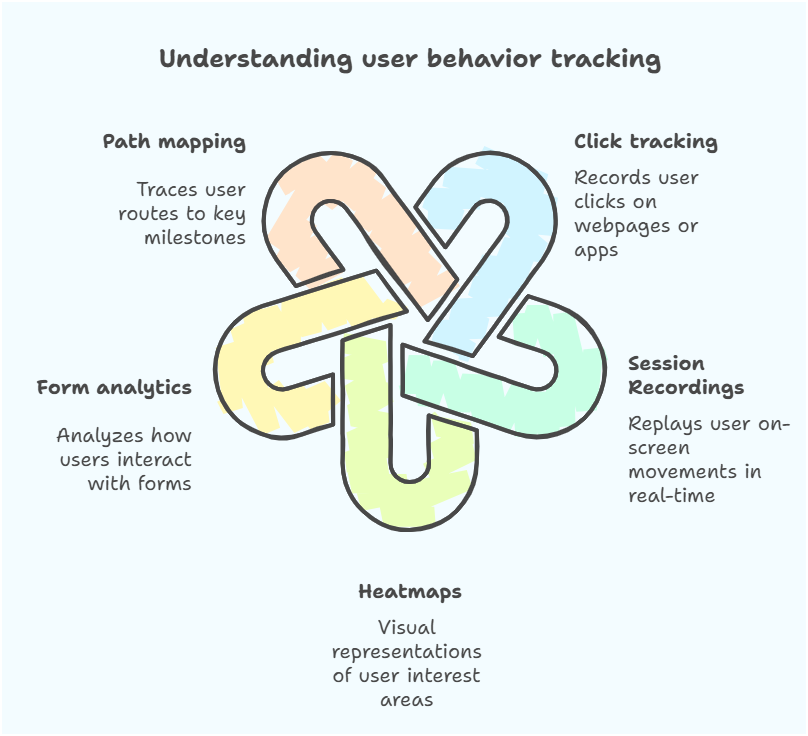
Moreover, the implementation of user behavior tracking allows e-commerce businesses to adopt a more personalized marketing strategy. By understanding the browsing habits and purchasing patterns of individual users, you can create personalized recommendations and targeted advertisements that increase the likelihood of conversion. For example, utilizing tools such as heatmaps and session recordings helps you visualize user engagement, which can guide you in optimizing product placements and promotional offers. Ultimately, adopting user behavior tracking not only enhances user experience but also drives sales and fosters long-term customer loyalty.
Counter-Strike is a highly popular first-person shooter game that has captivated millions of players worldwide. In this competitive environment, teams of terrorists and counter-terrorists clash in various game modes. Players often seek ways to enhance their gaming experience, such as looking for a roobet promo code to unlock special features or rewards while they play.
5 Key Metrics to Monitor for Effective User Behavior Insights
Understanding user behavior on your website is crucial for optimizing the user experience and driving conversions. To gain effective insights, it’s essential to monitor 5 key metrics that can significantly impact your decision-making process. These include page views, which indicate how many times a particular page has been accessed. Additionally, bounce rate measures the percentage of visitors who leave your site after viewing only one page, serving as an important indicator of content engagement. Other vital metrics include average session duration, which tells you how long users typically spend interacting with your site, and goal completions, which track the number of users completing desired actions, such as signing up for a newsletter or making a purchase.
Another critical metric is the conversion rate. This percentage reveals how well your site persuades visitors to take action, providing clear insights into the effectiveness of your marketing strategies and overall user experience. By regularly tracking these metrics, you can identify trends in user behavior, uncover potential issues, and make data-driven decisions to enhance your site’s performance. Remember, monitoring user behavior not only helps in improving your website but also guides your future content strategy, ensuring your audience remains engaged and your business grows.
Is User Behavior Tracking the Future of Personalized Shopping Experiences?
User behavior tracking is rapidly becoming a cornerstone of personalized shopping experiences. By collecting and analyzing data on how customers interact with websites and applications, retailers can gain invaluable insights into preferences, buying patterns, and even potential areas of improvement. This data-driven approach allows businesses to tailor their offerings in real-time, presenting customers with customized recommendations that significantly enhance engagement and satisfaction. As technology advances, the ability to seamlessly integrate user behavior insights into the purchasing journey is paving the way for a more intuitive and enjoyable shopping experience.
Moreover, the rise of artificial intelligence (AI) and machine learning is revolutionizing the effectiveness of user behavior tracking. With algorithms capable of learning from vast datasets, retailers can predict customer needs even before they are consciously aware of them. This not only leads to increased sales but also fosters customer loyalty, as shoppers feel understood and valued. As we move further into the digital age, harnessing user behavior tracking will undoubtedly be critical in shaping the future of personalized shopping experiences.