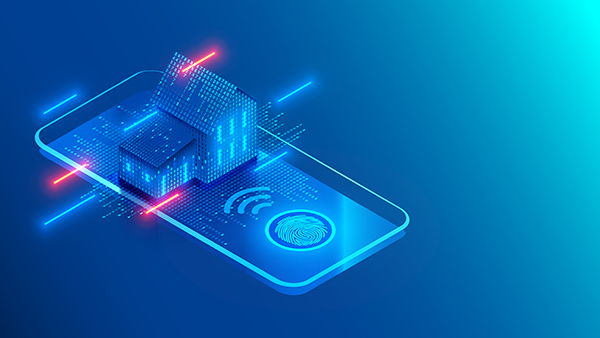
The Rise of Smart Homes: Features That Will Change Your Lifestyle
The concept of smart homes has rapidly evolved over the past decade, transforming our living spaces into interconnected ecosystems that enhance convenience and security. From intelligent thermostats that learn your heating preferences to advanced security systems that allow remote monitoring, these features are redefining how we interact with our homes. According to recent studies, an increasing number of homeowners are adopting smart technologies, enhancing not just comfort but also energy efficiency. Key features driving this trend include:
- Voice-Controlled Assistants: Devices like Amazon Echo and Google Home enable you to control your smart devices through simple voice commands.
- Smart Lighting: Adjust the brightness and color of your lights remotely to create the perfect ambiance.
- Home Automation: Automate daily routines, such as setting the temperature before you arrive home or locking the doors at night.
As we embrace the rise of smart homes, it's essential to recognize the lifestyle changes these innovations bring. With the integration of smart technology, tasks that once required physical effort are now simplified and streamlined. This newfound ease not only saves time but also encourages a more connected and organized living experience. Imagine receiving notifications on your phone about home security or effortlessly managing your household appliances through a centralized app. The potential benefits of smart homes include:
- Increased Security: Receive real-time alerts about unusual activity in and around your home.
- Enhanced Energy Efficiency: Utilize smart thermostats to optimize energy consumption.
- Improved Accessibility: Automate features for individuals with mobility challenges, making everyday tasks easier.
Are You Prepared for the Age of Home Automation?
As we transition into the age of home automation, it's essential to evaluate whether your home is ready for this technological shift. Home automation offers convenience, energy efficiency, and enhanced security, but it requires a basic understanding of the available technologies and how to integrate them seamlessly. Are you familiar with smart devices like smart thermostats, security cameras, and voice assistants? Familiarizing yourself with these tools can empower you to make informed decisions on which systems will best meet your needs.
In preparing for a fully automated home, consider taking the following steps:
- Assess your current technology and identify areas for improvement.
- Research various smart home ecosystems (such as Apple HomeKit, Google Nest, or Amazon Alexa) to find one that suits your lifestyle.
- Plan your budget wisely, as smart appliances can vary greatly in price.
What Are the Essential Technologies for Future-Ready Homes?
As we move further into the 21st century, future-ready homes are becoming increasingly important. Key technologies are transforming the way we interact with our living spaces, making them more efficient and comfortable. Some essential technologies to consider include:
- Smart Home Automation: By using devices such as smart speakers and hubs, homeowners can control lighting, heating, and security systems from anywhere.
- Energy Management Systems: These systems help optimize energy usage, significantly reducing utility bills while contributing to a greener planet.
- Internet of Things (IoT): From smart appliances to sensors that monitor air quality, IoT devices enhance convenience and safety in the home.
Another critical aspect of future-ready homes is the integration of advanced security systems. With features like video surveillance, smart locks, and motion sensors, homeowners can ensure their property is secure even when they are not present. Additionally, sustainable technologies such as solar panels and rainwater harvesting systems are becoming essential for eco-conscious homeowners. Investing in these technologies not only promotes energy efficiency but also increases the home’s overall value.