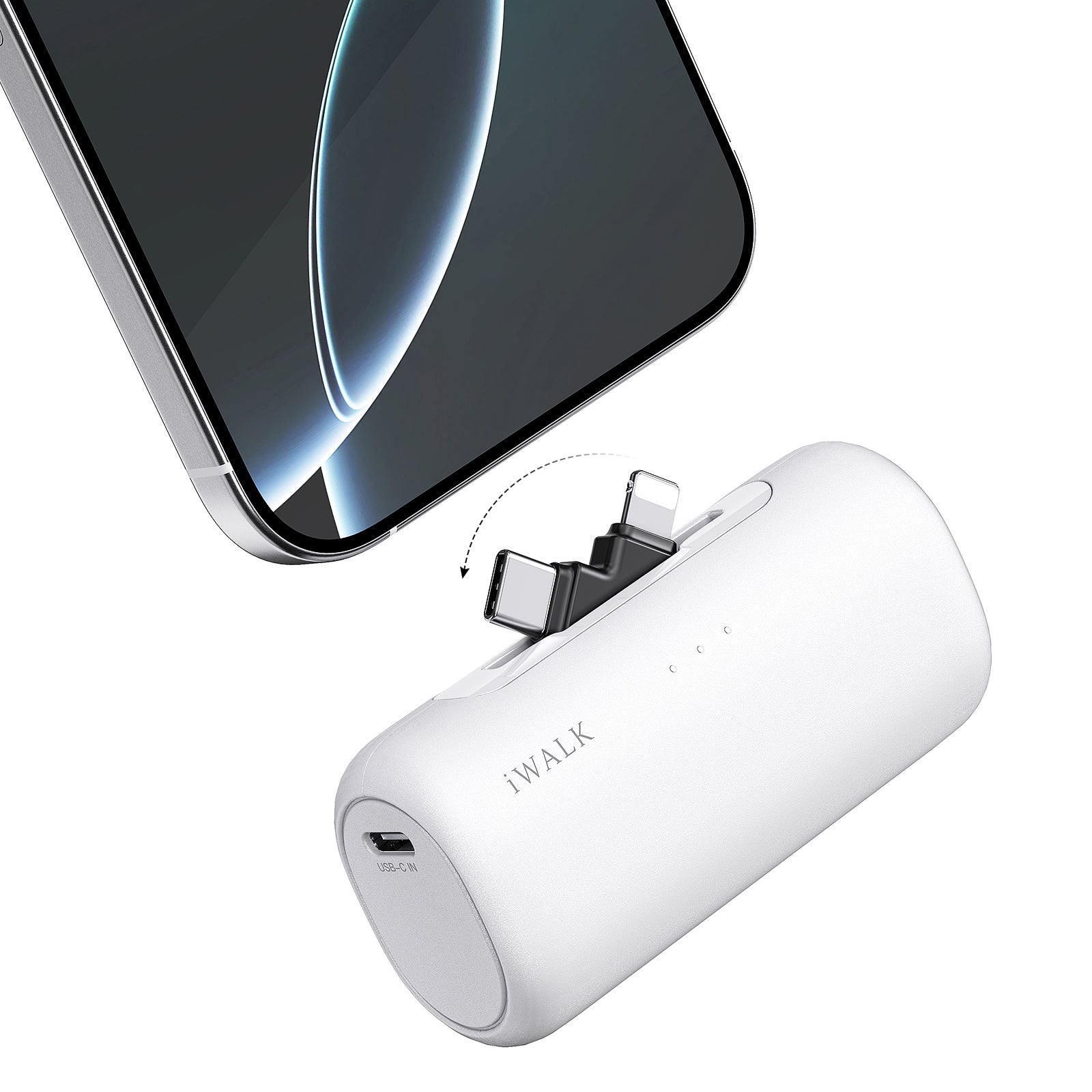
The Ultimate Guide to Choosing the Right Portable Charger
When it comes to selecting the right portable charger, understanding your charging needs is crucial. Start by evaluating the type and number of devices you plan to charge—whether it's a smartphone, tablet, or even a laptop. Next, consider the capacity of the charger, typically measured in milliampere-hours (mAh). For instance, a charger with a capacity of 10,000 mAh can usually charge a standard smartphone about two to three times.
Another important factor is the output power, which determines how quickly your devices will charge. Look for portable chargers that offer at least 2.0A output for fast charging capabilities. Additionally, check for multiple USB ports if you need to charge several devices simultaneously. Lastly, don’t forget to consider portability; a lightweight and sleek design will make it easier to carry your charger on the go, ensuring you never run out of battery during your day.
Counter-Strike is a highly popular first-person shooter game that has captivated millions of players worldwide since its inception. Known for its team-based gameplay, players can choose to be part of either the terrorist or counter-terrorist factions. The game not only requires quick reflexes and strategies but also effective communication among teammates. If you're looking to enhance your gaming experience with the latest gadgets, consider checking out the Top 10 Wireless Charging Pads that offer convenience for gamers on the go.
How Do Portable Chargers Work? Unraveling the Technology
Portable chargers are compact devices designed to store electrical energy for later use, making them essential for powering up smartphones, tablets, and other electronics on the go. These chargers typically consist of a battery pack, charging ports, and sometimes additional features like LED indicators and built-in cables. At the core of a portable charger is its battery technology, commonly lithium-ion or lithium-polymer, which allows it to hold substantial energy in a lightweight form. When a device needs power, the portable charger releases stored energy through a process called discharge, sending electricity to the device through its output port.
The operation of a portable charger can be broken down into two main phases: charging and discharging. During the charging phase, energy is drawn from an electrical outlet and transferred to the charger’s battery, typically through a USB cable. This process involves a circuit that manages the flow of electricity to ensure efficient energy transfer. Once the portable charger is fully charged, it can be taken anywhere for convenient use. In the discharging phase, the stored energy flows back out to a connected device, often controlled by a smart circuit that allows for adjustable output voltage and current, ensuring the device receives the appropriate amount of power without risk of damage.
Top 5 Myths About Portable Chargers Debunked
When it comes to portable chargers, misinformation can create unnecessary confusion. One of the most common myths is that portable chargers can damage your device's battery. In reality, reputable chargers are designed with safety features that regulate voltage and current, preventing overcharging. This means that your device’s battery health is preserved, provided you use high-quality chargers from trusted brands. Additionally, the fear that using a power bank will void your warranty is unfounded; as long as you choose a certified product, you can charge your devices worry-free.
Another prevalent myth is that all portable chargers hold the same capacity. This is far from the truth, as the mAh (milliamp hours) rating can vary significantly between models. For example, a power bank rated at 10,000 mAh can charge your smartphone several times, depending on its battery size. Consumers should prioritize selecting a charger that matches their charging needs, whether they require frequent refills on-the-go or just a quick boost to get through the day. Understanding the specifications can help debunk this myth and lead to more informed purchasing decisions.