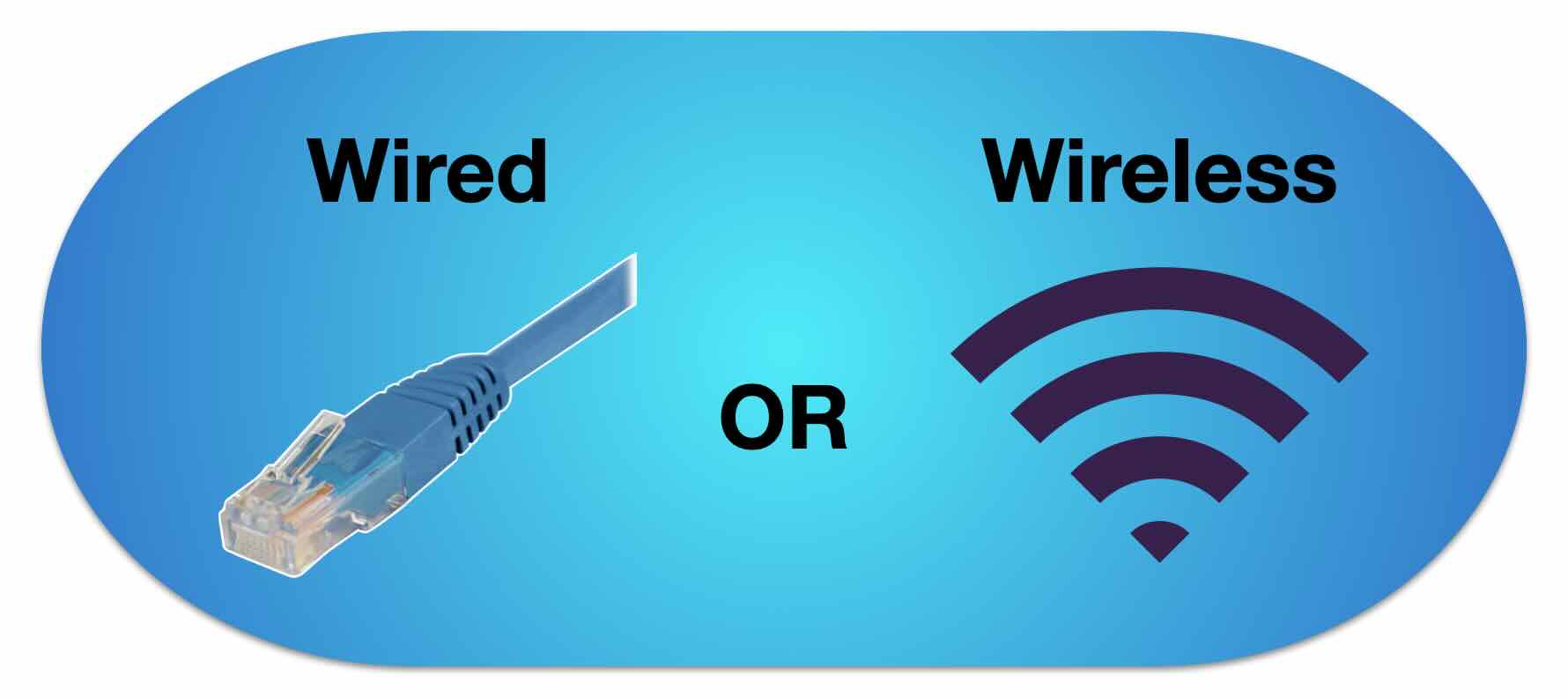
The Evolution of Connectivity: Exploring the Rise of Wireless Technology
The evolution of connectivity has been a remarkable journey, transitioning from wired communication systems to the rapid adoption of wireless technology. In the early days, communication relied heavily on cables and physical infrastructure, which limited accessibility and flexibility. However, with advancements in radio frequencies and the introduction of mobile networks, the landscape of connectivity began to shift. Technologies such as Wi-Fi, Bluetooth, and cellular networks have paved the way for seamless, high-speed communication. As a result, consumers and businesses alike have reaped the benefits of enhanced productivity and convenience.
Today, the rise of wireless technology is transforming industries and redefining our daily interactions. From smart homes equipped with Internet of Things (IoT) devices to the increasing reliance on 5G networks, wireless connectivity is fostering innovation and enabling new applications. The growing demand for high-speed, reliable connections has spurred investment in infrastructure and technology, ensuring that we remain at the forefront of the evolution of connectivity. As we look to the future, the implications of this ongoing revolution are vast, promising a world where communication knows no bounds.
If you're looking to enhance your podcast listening experience, consider investing in quality earbuds. Our Top 10 earbuds for podcasts provide comfort, excellent sound quality, and features tailored for long listening sessions, ensuring you catch every word of your favorite shows.
Cord-Free Living: How Wireless Innovations Boost Productivity and Convenience
In today's fast-paced world, Cord-Free Living has transformed the way we interact with technology, making our lives more convenient and productive than ever before. Wireless innovations, such as Bluetooth and Wi-Fi, have eliminated the need for cumbersome cords, allowing devices to connect seamlessly. With the rise of smart home gadgets and wireless office equipment, users can enjoy a clutter-free environment that fosters creativity and efficiency. Imagine walking into an office where every device connects wirelessly, enabling you to focus on your work without the distractions of tangled cables.
Embracing Cord-Free Living also comes with the added benefit of mobility. Professionals can take their work anywhere without the limitations of cords, enabling remote working and collaboration like never before. Wireless charging pads, portable speakers, and video conferencing tools enhance productivity, allowing users to stay engaged and connected with minimal hassle. As technology continues to evolve, the possibilities for wired innovation seem endless, promising even greater advances in how we manage our personal and professional lives.
Is Wireless the Future? The Pros and Cons of Cutting the Cord in Our Daily Lives
The debate about whether wires are becoming obsolete in our daily lives is more relevant than ever. The shift to wireless technology has already transformed various sectors, from telecommunications to home entertainment. One of the standout benefits of cutting the cord is the newfound freedom it offers; users can enjoy seamless connectivity without being tethered to their devices. This flexibility leads to an enhanced user experience, empowering individuals to access information and entertainment on the go. However, this transition is not without its drawbacks, such as potential connectivity issues and security concerns, which still plague many wireless networks.
Furthermore, the pros and cons of cutting the cord extend beyond convenience. Many consumers have reported increased productivity and a better work-life balance due to the mobility that wireless technologies provide. Yet, the reliance on wifi signals can create vulnerabilities, exposing users to data breaches and internet outages. As we navigate this evolving landscape, it becomes clear that while wireless technology represents a significant leap forward, it is essential to weigh these benefits against the challenges it introduces. Adopting a hybrid approach, where both wireless and wired solutions coexist, might be the key to optimizing our daily lives.