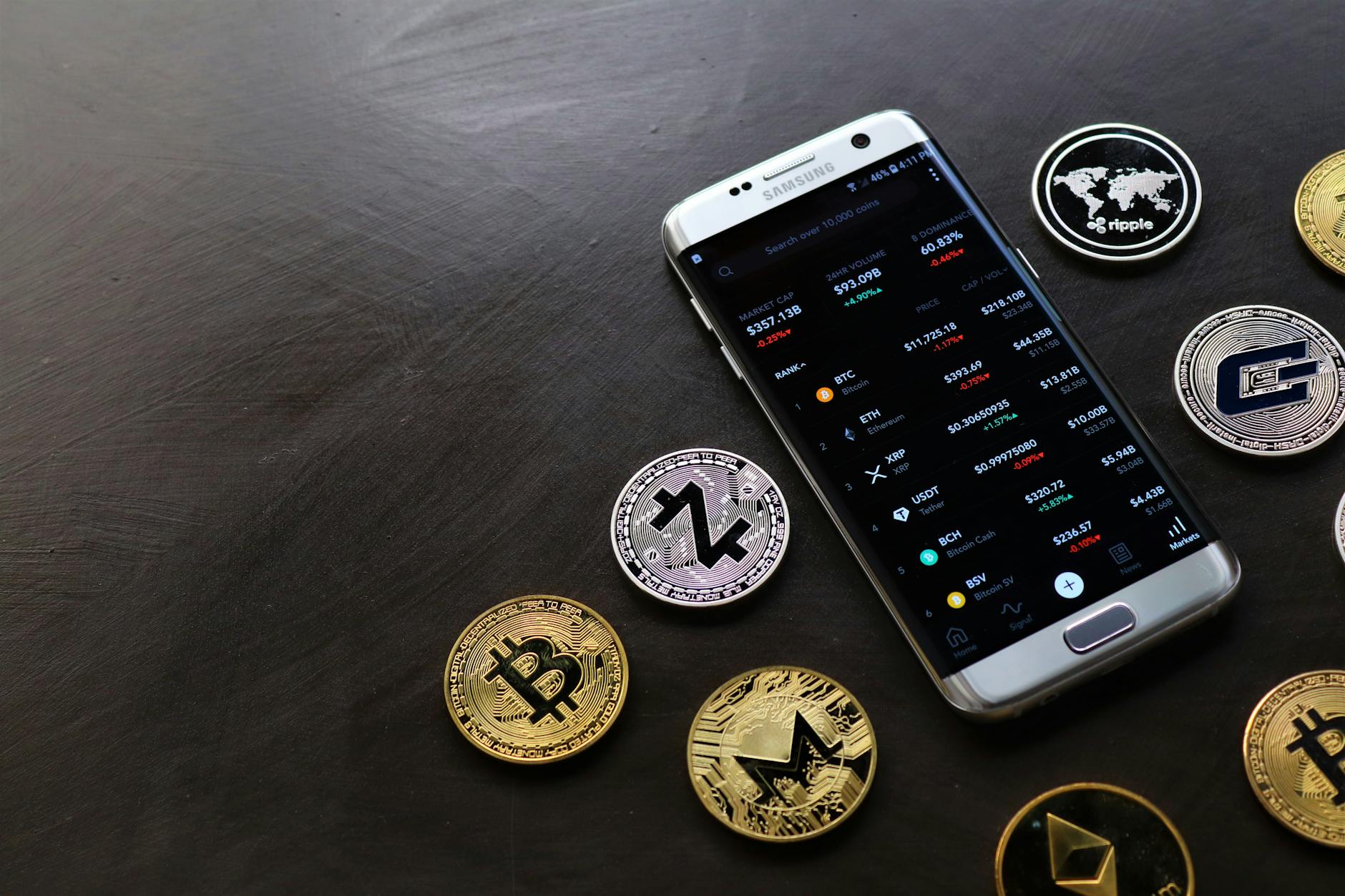
Understanding Your Options: Fiat, Other Crypto, or Staking?
When you've successfully navigated the exciting world of crypto and are ready to cash out, the primary decision revolves around your preferred exit strategy. The most straightforward option for many is converting back to fiat currency. This involves exchanging your cryptocurrency for traditional government-issued money, such as USD, EUR, or GBP, typically through a centralized exchange. While seemingly simple, it's crucial to consider factors like exchange fees, withdrawal limits, and the potential for capital gains taxesdepending on your jurisdiction and how long you've held the assets. Understanding these implications beforehand can save you from unexpected costs and administrative burdens, ensuring a smooth transition back to conventional finance.
See also: Cryptocurrency Wallet (Wikipedia) — Explains the fundamental component for storing and managing cryptocurrency, essential for withdrawals.
Beyond fiat, you have the intriguing possibility of converting your current crypto holdings into other cryptocurrencies. This strategy is often employed by investors looking to diversify their portfolio, capitalize on perceived market trends, or move into more stable assets during volatile periods. For instance, you might swap a more speculative altcoin for a well-established coin like Bitcoin (BTC) or Ethereum (ETH), or even a stablecoin such as USDT or USDC to temporarily 'park' your profits without exiting the crypto ecosystem entirely. This approach offers flexibility and keeps your capital within the digital asset space, allowing for quicker re-entry into new opportunities. However, it still requires careful research into the new asset's fundamentals and potential for growth.
A less common, but increasingly popular, alternative to cashing out is staking your cryptocurrency. Staking involves locking up your coins to support the operations of a blockchain network, typically in Proof-of-Stake (PoS) systems. In return for your participation, you earn rewards, similar to earning interest in a traditional savings account. This method allows you to generate passive income from your crypto holdings without selling them, effectively growing your portfolio over time. While attractive for its earning potential, it's essential to understand the lock-up periods, potential for impermanent loss (if staking in liquidity pools), and the security risks associated with the chosen staking platform. Staking can be a powerful tool for long-term holders aiming to maximize their digital assets.
Navigating the Exchange: Essential Steps for a Smooth Withdrawal
Once you've successfully navigated the exciting world of cryptocurrency trading and potentially seen your portfolio grow, the next crucial step is understanding how to withdraw your funds. While depositing might seem more straightforward, a smooth withdrawal process requires careful attention to detail to avoid delays or complications. This section will walk you through the essential steps, ensuring you can access your earnings efficiently and securely. Remember, each exchange has its unique protocols, so always refer to their specific guidelines, especially regarding withdrawal limits, fees, and processing times. Prior preparation and understanding the process will save you significant time and potential frustration.
The very first step to a smooth withdrawal is typically ensuring your account is fully verified. Most reputable exchanges implement Know Your Customer (KYC) procedures, which often require submitting identification documents. If you haven't completed this during account setup, you'll likely need to do it before initiating a withdrawal. Next, you'll need to link a withdrawal method. Common options include:
- Bank Transfer: Often preferred for larger sums, but can have longer processing times.
- Third-Party Payment Processors: Services like PayPal or Wise may be available, offering faster transactions.
- Other Cryptocurrencies: If you're moving funds between exchanges, you might withdraw to a different crypto wallet.
See also: SEC Charges Terraform Labs and Do Kwon with Fraud (SEC.gov) — Illustrates regulatory oversight and potential risks in the crypto space, highlighting the importance of cautious withdrawals.
Finally, when you're ready to initiate the withdrawal, carefully review all the details before confirming. Pay close attention to the amount, the chosen withdrawal method, and any associated fees. Exchanges often display a clear breakdown of the net amount you will receive. After confirmation, you'll typically receive an email or app notification to confirm the withdrawal request. Some exchanges even require a 2-factor authentication (2FA) code for an added layer of security.
"Always verify, then confirm, especially when dealing with your hard-earned assets. A moment of diligence can prevent countless hours of troubleshooting."Keep an eye on your linked account for the funds to arrive, and be aware that international transfers or high network congestion can sometimes extend processing times beyond initial estimates.
Taxes & Fees: What You Need to Know Before Cashing Out
Cashing out your investments, whether from stocks, cryptocurrencies, or even a successful side hustle, often triggers a crucial financial consideration: taxes. The type of asset, how long you've held it, and your overall income bracket all play a significant role in determining your tax liability. For instance, short-term capital gains (assets held for less than a year) are typically taxed at your ordinary income tax rate, which can be considerably higher than long-term capital gains (assets held for over a year). Understanding these distinctions *before* you initiate a withdrawal is paramount to avoiding unwelcome surprises come tax season. It's not just about the profit you made; it's about the portion the government expects to collect.
See also: Cryptocurrency Exchange (Investopedia) — Defines and explains cryptocurrency exchanges, which are often the next step after withdrawing from a casino to cash out.
Beyond federal income tax, you may encounter various other fees and levies that erode your final payout. These can include state and local taxes, particularly if you reside in a state with its own capital gains tax. Furthermore, the platform you use to cash out might impose its own set of fees. These often manifest as:
- Withdrawal fees: A flat charge or percentage of the amount you withdraw.
- Transaction fees: Applicable for converting assets back into fiat currency.
- Network fees: Especially prevalent in cryptocurrency transactions, covering the cost of processing the transaction on the blockchain.
"The only sure things in life are death and taxes." While perhaps a cliché, this adage holds particular weight when planning to cash out. Proactive planning is your best defense against unexpected financial burdens. Consider consulting with a qualified financial advisor or tax professional *before* you make any substantial withdrawals. They can help you understand the nuances of your specific situation, identify potential deductions or tax-loss harvesting opportunities, and ultimately develop a strategy to minimize your tax burden legally. Don't let a lack of foresight turn your financial success into a tax-time headache. Thorough preparation ensures you retain as much of your hard-earned money as possible, so check it out.
Troubleshooting Common Issues: 'Why Is My Withdrawal Pending?' and More
One of the most frequent and frustrating issues cryptocurrency users encounter is a pending withdrawal. This can be due to a variety of factors, ranging from network congestion to security protocols. Often, exchanges implement a manual review process for larger withdrawals or those flagged as potentially suspicious, which can add significant delays. It's also possible that the blockchain itself is experiencing high traffic, leading to slower confirmation times. Different cryptocurrencies have varying block times; for example, Bitcoin transactions generally take longer to confirm than those on faster networks like Solana or Avalanche. Before panicking, always check the status on the exchange and, if possible, the transaction ID on the relevant blockchain explorer to understand its current state.
Beyond pending withdrawals, other common troubleshooting scenarios include transactions failing outright, funds not appearing in your wallet, or issues with smart contract interactions. A failing transaction often indicates insufficient gas fees (on Ethereum-based networks) or an incorrect address. Always double-check the receiving address meticulously, as a single wrong character can lead to irreversible loss of funds. For funds not appearing, ensure you've selected the correct network during the withdrawal process. Sending tokens intended for the Ethereum network over the Binance Smart Chain, for instance, will result in your funds being inaccessible on your Ethereum wallet. Understanding the specific network requirements of each token is paramount to avoiding these costly mistakes.
"Patience is a virtue, especially in the world of blockchain transactions. Many issues resolve themselves with time, but proactive investigation is key when they don't."
When faced with persistent issues, your first point of contact should always be the support team of the exchange or wallet provider you are using. They often have dedicated channels for troubleshooting and can provide insights into specific transaction IDs. Before reaching out, compile all relevant information:
- The transaction ID (TXID)
- The exact amount involved
- The sending and receiving addresses
- Screenshots of any error messages
This comprehensive approach will significantly expedite the resolution process and help pinpoint the root cause of the problem, whether it's a technical glitch, a user error, or a network-wide issue.
Frequently Asked Questions
What's the first step to withdraw my crypto winnings from a casino?
Before initiating a withdrawal, ensure your account is fully verified, as many crypto casinos require KYC (Know Your Customer) documentation. Then, navigate to the 'Cashier' or 'Withdraw' section on the casino's website or app. This is typically found within your account dashboard.
How do I choose the right cryptocurrency for my withdrawal?
The available cryptocurrencies for withdrawal will be listed on the casino's withdrawal page. Choose the same cryptocurrency you deposited with, if possible, to avoid conversion fees. Consider transaction speeds and fees associated with each coin; Bitcoin (BTC) can be slower and more expensive than alternatives like Litecoin (LTC) or Tron (TRX).
What information do I need to provide for a crypto withdrawal?
You'll need to provide your personal crypto wallet address for the chosen cryptocurrency. Double-check this address meticulously, as an incorrect address will result in irreversible loss of funds. Some casinos might also ask for a withdrawal amount and a security confirmation, like a two-factor authentication (2FA) code.
How long does it typically take for crypto winnings to reach my wallet?
Withdrawal times vary depending on the casino's processing speed, the blockchain network's congestion, and the specific cryptocurrency used. Most crypto withdrawals are processed within a few minutes to a few hours. However, some platforms may have manual review processes that can extend this to 24-48 hours. Always check the casino's terms for specific timelines.