The Evolution of Charging Cables: From Legacy to Lightning
The journey of charging cables has seen remarkable advancements, transitioning from legacy connectors to the highly efficient Lightning cables we use today. In the early days of mobile technology, devices relied on bulky connectors like the 30-pin dock connector, which, while functional, offered limited usability and frequently required specific orientations for insertion. As technology evolved, the need for more compact and versatile solutions led to the development of the USB standard. This innovation not only simplified connections but also enhanced charging speeds and data transfer rates, paving the way for the modern charging ecosystem.
With the advent of smartphones, the desire for faster, more reliable charging became paramount. This prompted the introduction of the Lightning connector by Apple, which revolutionized the way we think about charging. Lightning cables are smaller, reversible, and capable of handling higher power outputs, making them suitable for a wide range of devices. Looking ahead, we anticipate even more advancements in charging technology, such as wireless charging and universal connectors, which will further streamline our mobile experiences and reduce electronic waste. The evolution of charging cables is a testament to our ever-changing technological landscape and the quest for convenience.
If you're looking to extend the reach of your devices, the Top 10 USB C Extension Cables provide excellent options for flexibility and performance. These cables are perfect for connecting laptops, smartphones, and other USB-C devices with ease, ensuring fast data transfer and charging capabilities. Make your setup more convenient with the right extension cable tailored to your needs.
Exploring the Types of Charging Cables: Which One is Right for You?
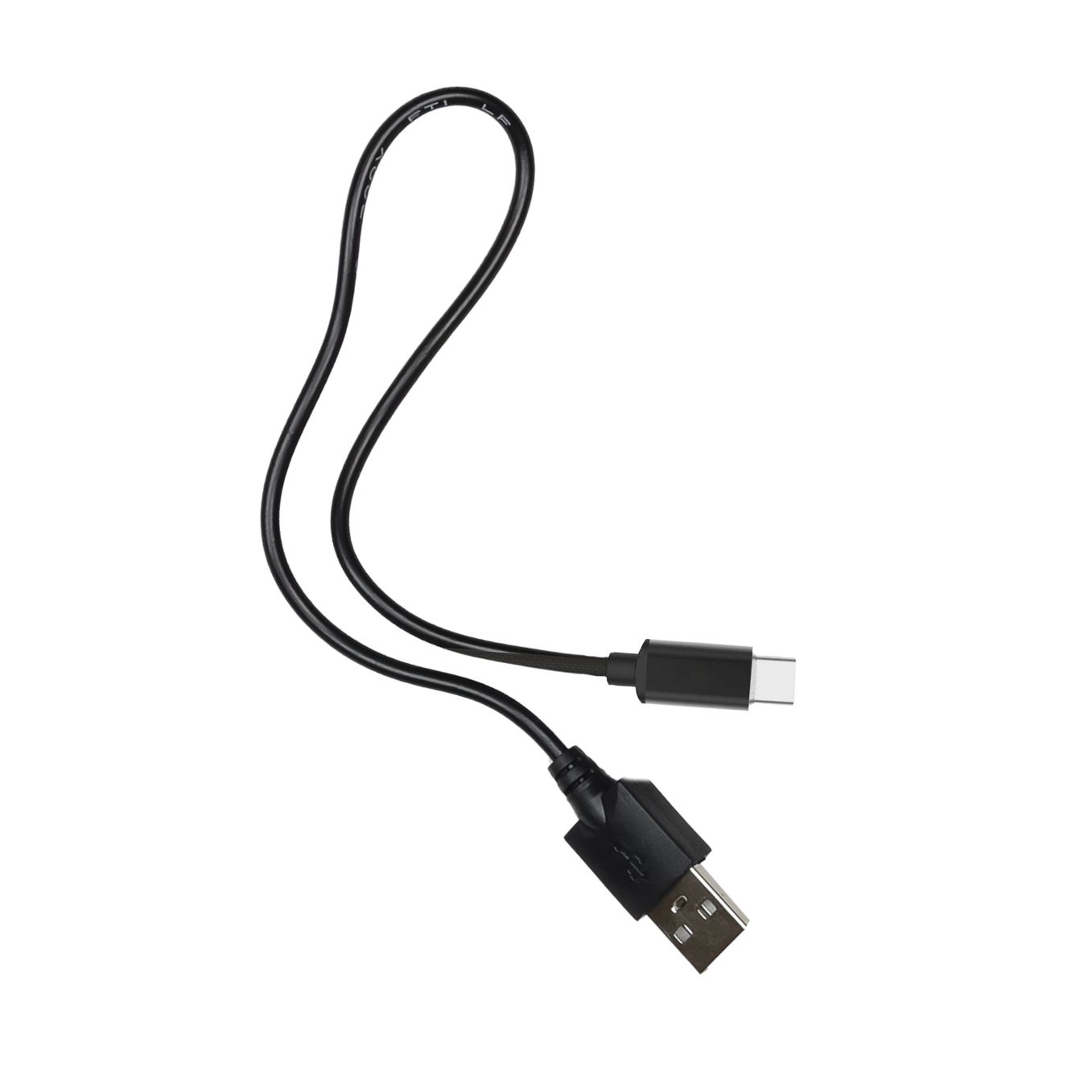
When it comes to charging your devices, understanding the various types of charging cables available can make a significant difference in convenience and efficiency. The most common types include USB-A, USB-C, Lightning, and Micro-USB. USB-A is a standard connector found on many older devices and chargers, while USB-C is becoming increasingly popular due to its reversible design and faster data transfer speeds. Lightning cables are specific to Apple products, and Micro-USB is predominantly used in older Android devices. Each type of cable has its unique advantages, and choosing the right one is essential for optimal charging.
To determine which charging cable is right for you, consider the devices you own and their compatibility. For instance, if you have the latest smartphone, investing in USB-C cables could provide faster charging and convenience. Alternatively, if you use older models, you may need to stick with Micro-USB or USB-A. Additionally, some users prefer multi-cable options that can accommodate various devices, which can be especially helpful for families or those with multiple gadgets. By assessing your needs and device compatibility, you can select the best charging cable to enhance your device's performance and longevity.
Do All Charging Cables Charge at the Same Speed?
When it comes to charging cables, one might wonder, do all charging cables charge at the same speed? The answer is a resounding no. Different cables are designed to support varying power outputs, and factors such as cable quality, material, and length all play a crucial role in determining charging speed. For instance, a standard USB-A to USB-C cable typically has a lower power output compared to a USB-C to USB-C cable that supports fast charging. Additionally, cables that are certified by organizations like the USB Implementers Forum generally offer better performance than generic ones.
To put it in perspective, let's break down the factors affecting charging speeds:
- Power Delivery (PD): Cables that support PD technology can charge devices much faster than those that don’t.
- Amp Rating: The higher the amp rating of a cable, the faster it can charge a device.
- Cable Length: Longer cables may experience voltage drops, resulting in slower charging speeds.
Therefore, when selecting a charging cable, it's essential to consider these aspects to ensure you're not only charging your devices quickly but also safely.