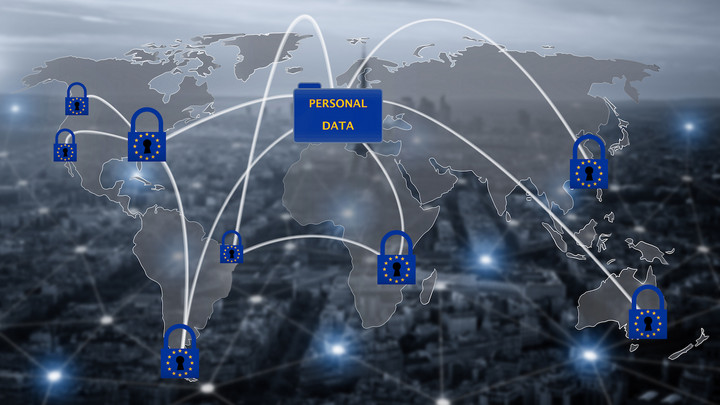
How Data Transfer Shapes Our Digital Experience
In today's digital age, data transfer plays a pivotal role in shaping our online experiences. From the moment we log onto the internet to the instant we interact with our favorite applications, the speed and efficiency of data transfer determine how seamlessly we navigate through the vast landscape of information. With advancements in technology, we now experience quicker loading times and smoother interactions, enhancing our overall satisfaction. For instance, faster data transfer protocols enable high-definition video streaming and real-time gaming experiences, all of which depend on the ability to transfer large amounts of data swiftly.
Moreover, the security of data transfer is paramount as it protects our sensitive information during online transactions and communications. As we increasingly rely on digital platforms for banking, shopping, and socializing, the importance of secure data transfer methods cannot be overstated. Encryption technologies, such as SSL and TLS, ensure that our data remains confidential while in transit, thereby building trust between users and service providers. In conclusion, understanding the implications of data transfer on our digital experience is essential for appreciating both the conveniences and the responsibilities that come with our online activities.
Counter-Strike is a multiplayer first-person shooter video game that has gained immense popularity since its initial release. Players can engage in team-based gameplay, where they either take on the role of terrorists or counter-terrorists. One essential aspect for gamers is having the right equipment, including peripherals like USB-C hubs, especially for devices like the MacBook. Check out the Top 10 USB-C hubs for MacBook to enhance your gaming setup. The game's competitive nature and strategic depth have made it a staple in eSports and gaming communities.
Exploring the Mechanics of Data Transfer: What You Need to Know
Data transfer is a crucial aspect of modern communication, involving the movement of information between devices over a network. The mechanics of data transfer can be understood through various protocols and technologies, such as TCP/IP, HTTP, and FTP, each serving specific purposes for different applications. Understanding these protocols is essential for optimizing data flow and ensuring efficient communication. Additionally, the choice of media, whether it be fiber optics, coaxial cables, or wireless signals, significantly impacts transfer speed and reliability.
When analyzing data transfer, it is important to consider various factors that can influence performance, including bandwidth, latency, and error rates. For example, latency is the delay between the request and receipt of data, which can be affected by the distance between devices and network congestion. To mitigate issues, techniques such as data compression and caching are often employed, allowing for smoother and faster information exchange. By grasping these key aspects, you can better manage data transfer in any technology-driven environment.
Why Is Data Transfer Essential for Modern Communication?
In today's fast-paced digital world, data transfer plays a crucial role in facilitating effective communication. Businesses and individuals rely on seamless data exchange to connect with colleagues, clients, and friends across vast distances. This process not only enhances the speed of information dissemination but also fosters collaboration and innovation. Without efficient data transfer mechanisms, essential communications such as emails, video conferences, and instant messages would be hindered, leading to delays and misunderstandings.
Moreover, the rapid growth of social media platforms and online services has made data transfer even more vital. As users share vast amounts of information daily, the need for quick and reliable data transmission becomes paramount. According to recent studies, approximately 60% of the global population uses social media, highlighting the importance of efficient data transfer systems in bridging communication gaps and enhancing user experiences. Thus, understanding the implications of data transfer is essential for anyone looking to navigate the modern communication landscape effectively.