The Science Behind Wireless Charging: How It Works and Why You Should Care
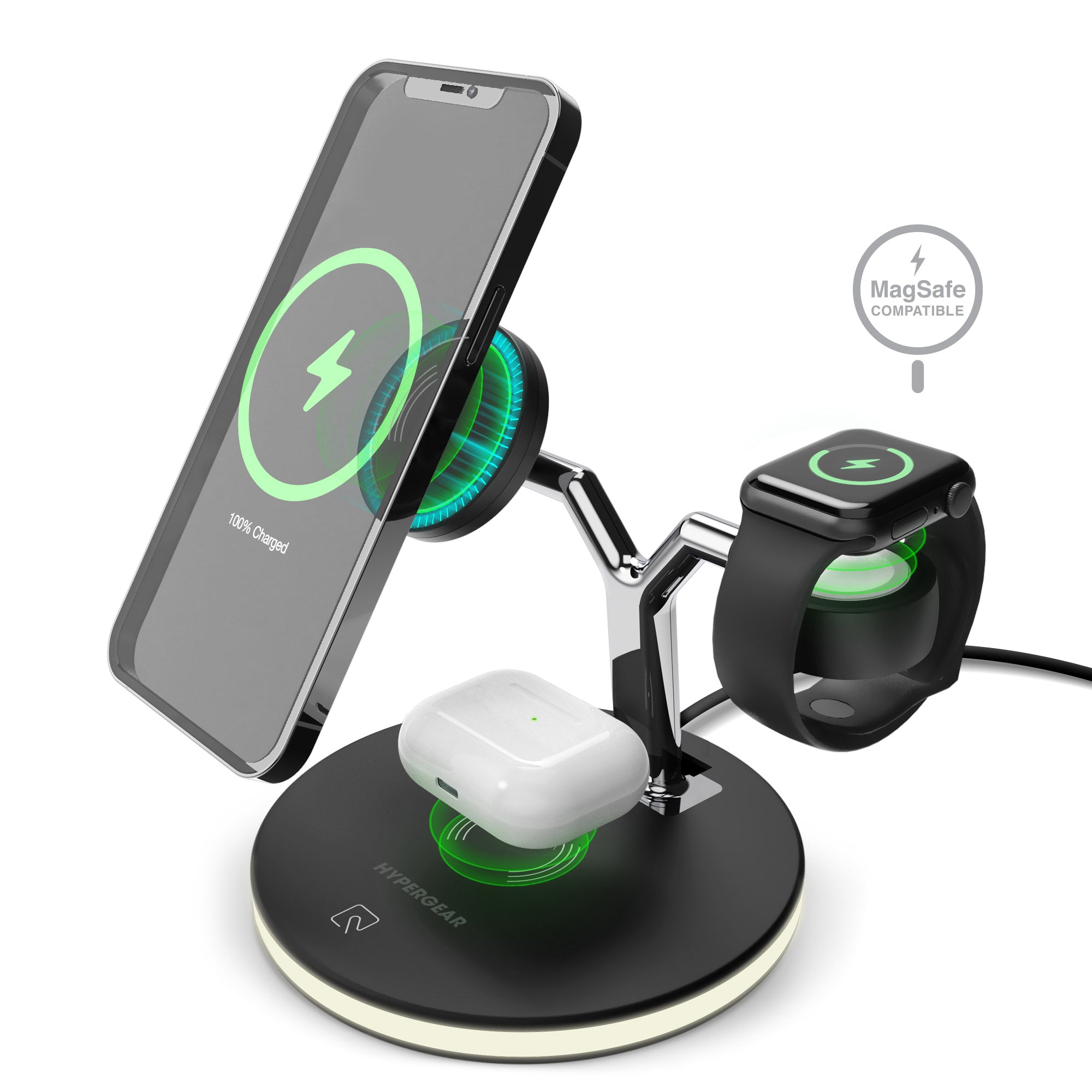
The Science Behind Wireless Charging relies primarily on the principles of electromagnetic induction. This process involves a charging pad that generates an alternating electromagnetic field. When a compatible device, like a smartphone, is placed on this pad, a coil within the device captures the energy from the field and converts it back into electrical current, charging the device's battery. The efficiency of this process has improved significantly over recent years, allowing for faster charging times that can rival traditional wired methods. Understanding this technology can help consumers appreciate the convenience and innovation of cutting the cord.
However, it's not just about convenience; there are practical implications that make wireless charging worth considering. For instance, it reduces wear and tear on charging ports, which can extend the lifespan of your device. Additionally, the elimination of cords minimizes clutter and enhances safety, especially in environments where tripping hazards might be a concern. As more manufacturers adopt this technology, consumers should care about whether their devices support this feature and how it can simplify everyday charging needs, paving the way for a more streamlined user experience.
Counter Strike is a popular first-person shooter game that emphasizes teamwork and strategy. Players can choose to be part of either the terrorist or counter-terrorist teams, each with specific objectives. For those looking for reliable accessories, check out the Top 10 MagSafe Batteries with Kickstands to enhance your gaming experience.
10 Reasons to Ditch Wires and Go Wireless: The Benefits of Modern Charging Solutions
In today's fast-paced world, the convenience of wireless charging solutions is becoming increasingly appealing. Here are 10 reasons to ditch wires and go wireless:
- Enhanced Convenience: Say goodbye to hunting for charging cables; wireless chargers offer a hassle-free way to power your devices.
- Reduced Cable Clutter: Wireless charging stations help in minimizing tangled cords, providing a clean and organized space.
- Fast Charging Technology: Many modern wireless chargers support fast charging, allowing you to power up your devices quickly.
- Universal Compatibility: Many wireless chargers support various devices, reducing the need for multiple chargers.
- Durability: Without wires, there are fewer points of failure, significantly increasing the lifespan of your charging solutions.
- Safety Features: Wireless chargers often contain built-in safety mechanisms to prevent overheating and overcharging.
- Future-Proofing: As technology advances, going wireless equips you to harness innovative charging solutions as they emerge.
- Aesthetic Appeal: Many wireless charging pads come in sleek designs that enhance your workspace or home decor.
- Portability: Wireless chargers are often compact and easy to travel with, making them ideal for on-the-go charging.
- Environmental Impact: By reducing reliance on disposable cables, wireless charging can contribute to a more sustainable future.
Transitioning to wireless charging does not just simplify your life; it also aligns with modern technological advancements. The shift towards wireless charging illustrates a larger trend in consumer electronics, indicating a trajectory towards convenience, efficiency, and sustainability. As we embrace these innovative solutions, we can expect to see emerging technologies continue to enhance our user experience.
Is Wireless Charging Safe and Efficient? Debunking Common Myths
Wireless charging has become increasingly popular as more devices support this convenient technology. However, concerns about wireless charging safety and efficiency have led to the proliferation of myths. One major myth is that wireless charging can overheat devices, potentially causing damage. In reality, reputable wireless charging pads are designed with built-in safety features, such as temperature control and automatic shut-off when the device is fully charged. This protection mechanism helps to ensure that the charging process is safe and efficient, dispelling fears of overheating.
Another common misconception is that wireless charging is significantly less efficient than traditional wired charging. While it is true that some energy is lost during the wireless charging process, advancements in technology have greatly improved charging efficiency. Many modern wireless chargers operate at power levels comparable to their wired counterparts, thus significantly reducing energy loss. In fact, some studies suggest that the difference in charging time between wired and wireless may be negligible, especially when comparing fast wireless chargers to standard wired chargers. As technology continues to evolve, these efficiency gaps are expected to narrow even further.