Mastering the Art of Deception: 5 Strategies to Outplay Your Opponents
In the world of competition, whether in games, business, or daily interactions, mastering the art of deception can provide a significant advantage. Deception is not just about lying; it's about strategically presenting information to outmaneuver your opponents. Here are 5 strategies that will help you expertly navigate the unpredictable landscape of competition:
- Confidence is Key: Your demeanor can convince others of your intent. Carry yourself with assurance, as uncertainty can lead to doubt among your opponents.
- Facial Expressions: Use subtle changes in your facial expressions to mislead your opponent about your true feelings or intentions. A well-timed smile or frown can distract or mislead.
- Information Control: Share selective information or strategically leak false details to create confusion. Remember, the story you tell is just as important as the truth.
- Body Language: Master the art of non-verbal communication. Your posture, gesture, and eye contact can communicate a false narrative.
- Practice Deception: Like any skill, deception requires practice. Role-playing scenarios can enhance your ability to adapt and react under pressure.
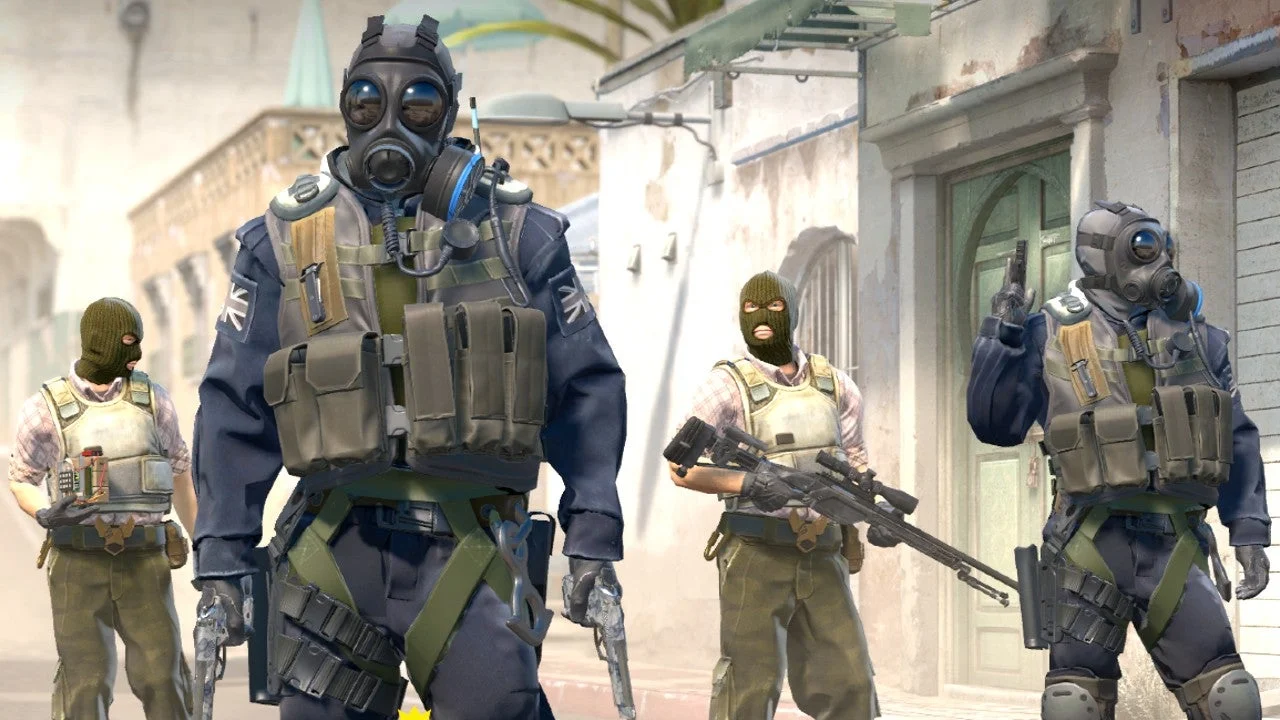
Counter-Strike is a highly popular tactical first-person shooter franchise that has captivated gamers for decades. Players engage in team-based gameplay, where strategy and skill are essential for victory. If you're curious about game mechanics, you might want to explore what is adr in cs2 to enhance your understanding of damage per round in the game.
Top 10 T-Side Tricks Every Player Should Know
When it comes to mastering the competitive landscape of Counter-Strike: Global Offensive, understanding the nuances of playing on the terrorist side (T-Side) is crucial. Here are the Top 10 T-Side Tricks Every Player Should Know to enhance your gameplay. First and foremost, communication is key; utilize voice chat and teamwork to coordinate strategies effectively. Secondly, practicing your grenade throws can give you a significant advantage, allowing for tactical entry into bomb sites or blocking enemy visibility.
In addition to communication and grenade proficiency, mastering movement can set great players apart. Use techniques such as Bunny Hopping and Strafe Jumping to evade enemy fire and reposition quickly. Moreover, be mindful of your economy; buying the right weapons and gear at the right time can make or break a round. Finally, understanding the maps, including common hiding spots and pathways, is essential for making tactical decisions under pressure. By implementing these tricks, you will elevate your T-Side game significantly.
How to Read Your Opponent's Mind: Tips for T-Side Success
Understanding your opponent's mindset is crucial for T-side success in any competitive game. The first step is to observe their patterns. Take note of how they position themselves during multiple rounds—are they aggressive at the start, or do they play defensively? By identifying these tendencies, you can anticipate their moves and adjust your strategy accordingly. Furthermore, consider leveraging tools like heatmaps and data analysis to visualize common pathways and bolster your decision-making process.
Another effective technique for reading your opponent's mind is communication. Pay attention to verbal cues and in-game communication from your enemies; this can provide insights into their tactics and team dynamics. Additionally, practice mind games of your own: use feints or fake strategies to disrupt their expectations. Remember, the goal is not just to react but to proactively influence their decisions, ultimately leading your team to success on the T-side.